The challenge
Faced with a highly fragmented, desktop-centric software ecosystem, Amazon Delivery Service Partner (DSP) business owners were structurally chained to their desks on the warehouse floor, working up to 13 hours a day, 7 days a week.
Recognizing that the organization’s historic 2018 “owner-operator at a desk” model was obsolete, I initiated a multi-phased strategic campaign to build the case for a dedicated business owner companion app. By collaborating with data scientists to map 100+ daily tasks into a mathematically validated Cognitive Load (CL) metric, I secured C-suite funding for a mobile-first paradigm. Overcoming five separate product silos, I directed a unified mobile strategy that resulted in myDSP, a customizable, white-labeled mobile app built in just 8 months. Launched at Ignite Live 2025, the app achieved 8,400 initial installs by 1,150+ DSPs within its first wave.
The situation
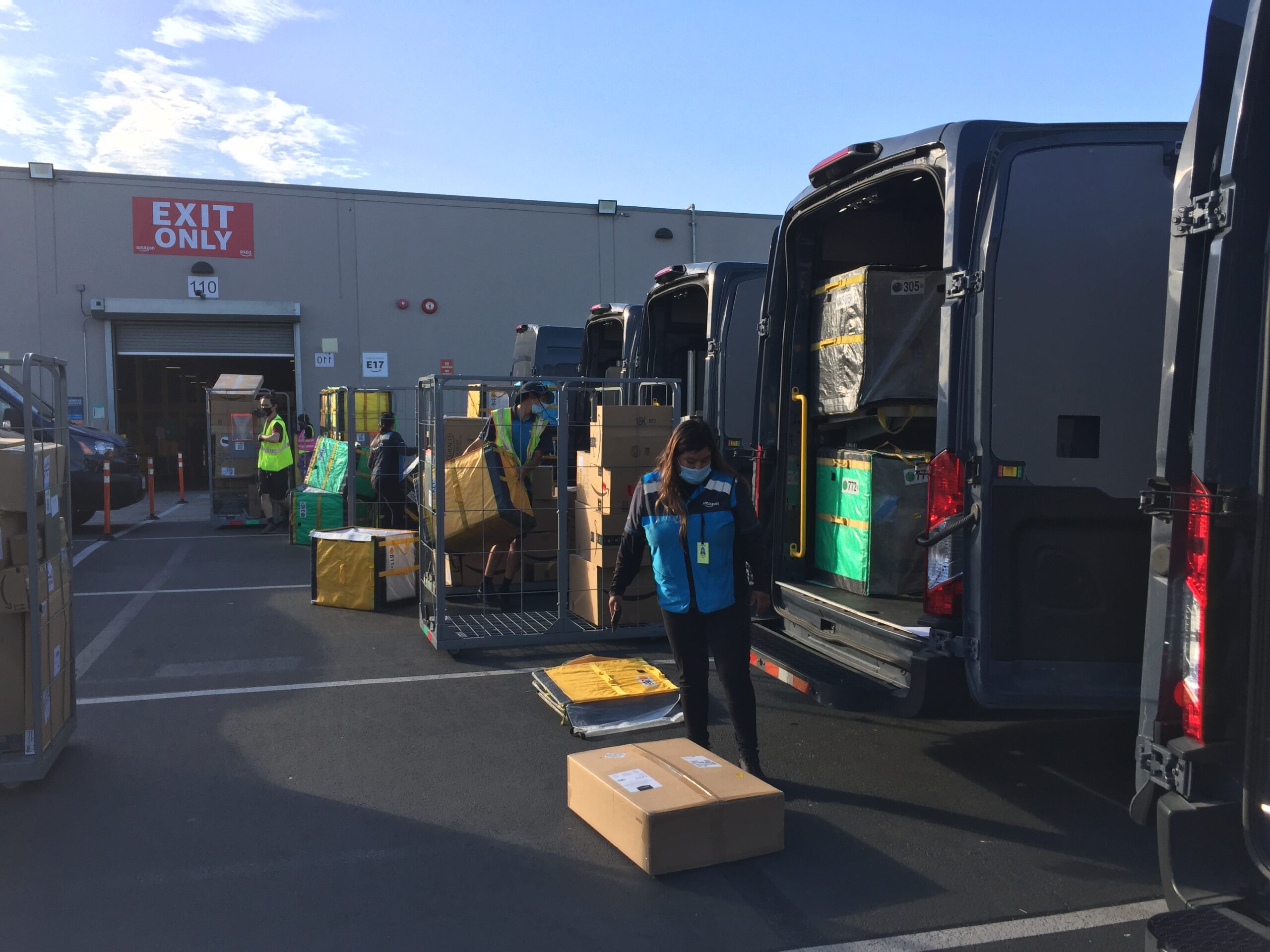
By 2024, the Amazon Last Mile delivery network had scaled globally, yet the software designed for business owners remained strictly web-bound, requiring a laptop or desktop computer. This created a severe operational blind spot: DSP owners manage on-the-go businesses, spending their mornings on foot on high-noise launchpads, and their afternoons traveling between sites.
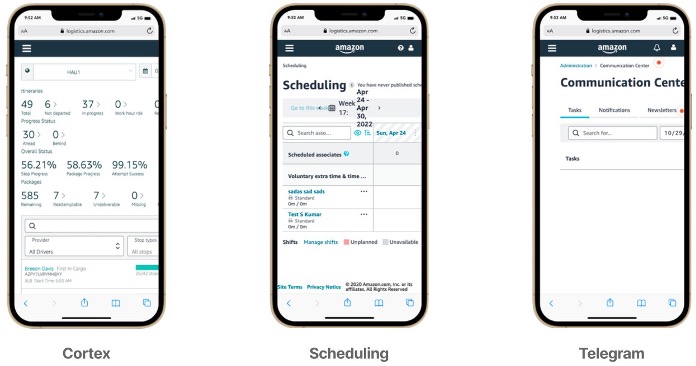
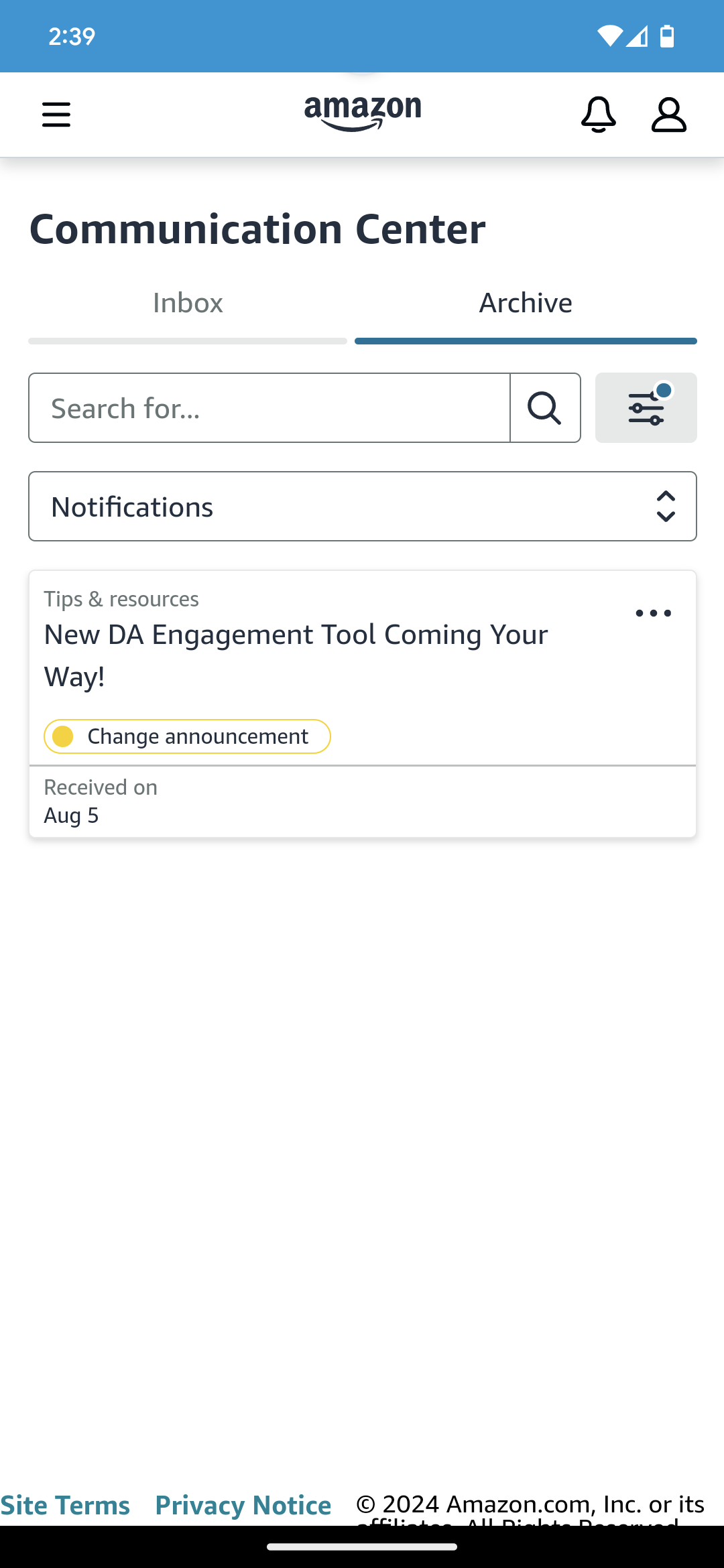
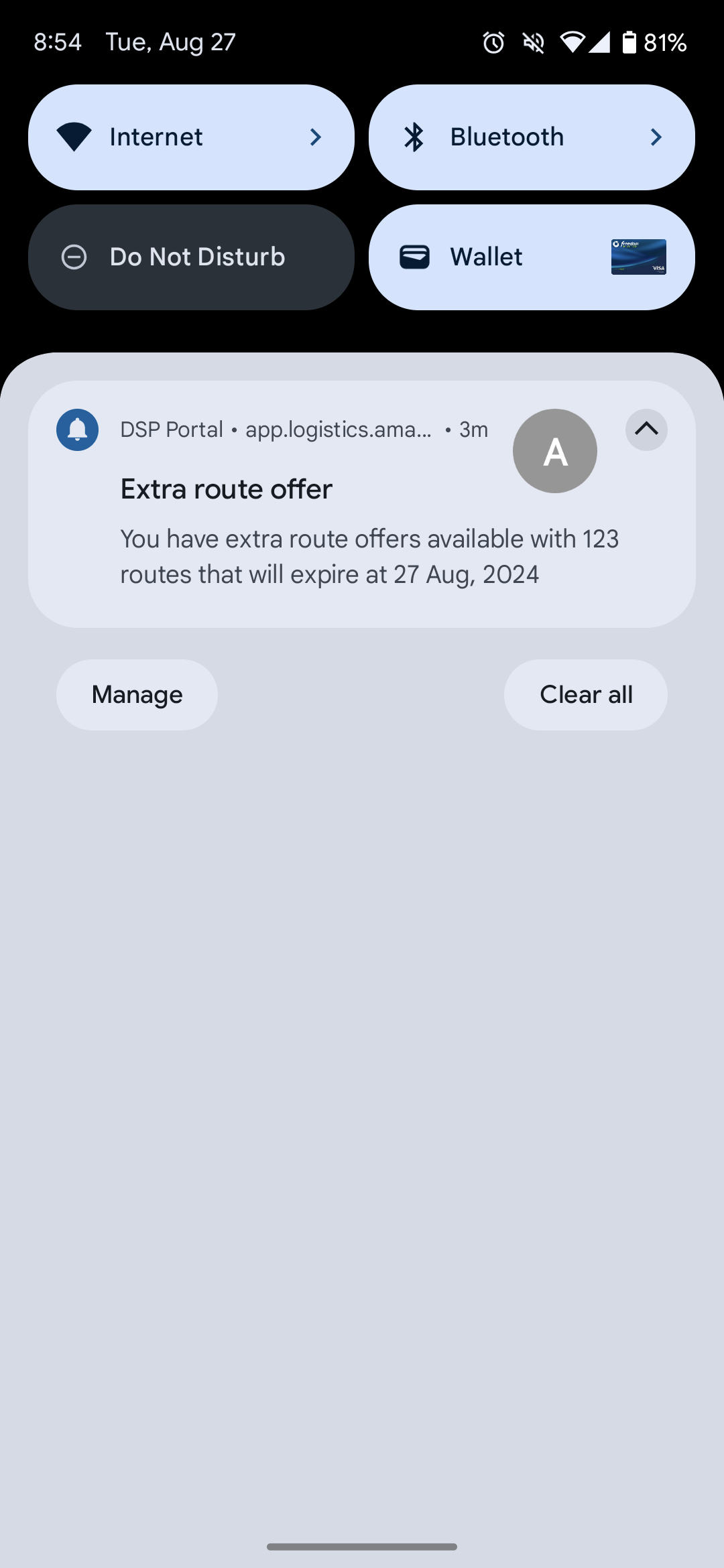
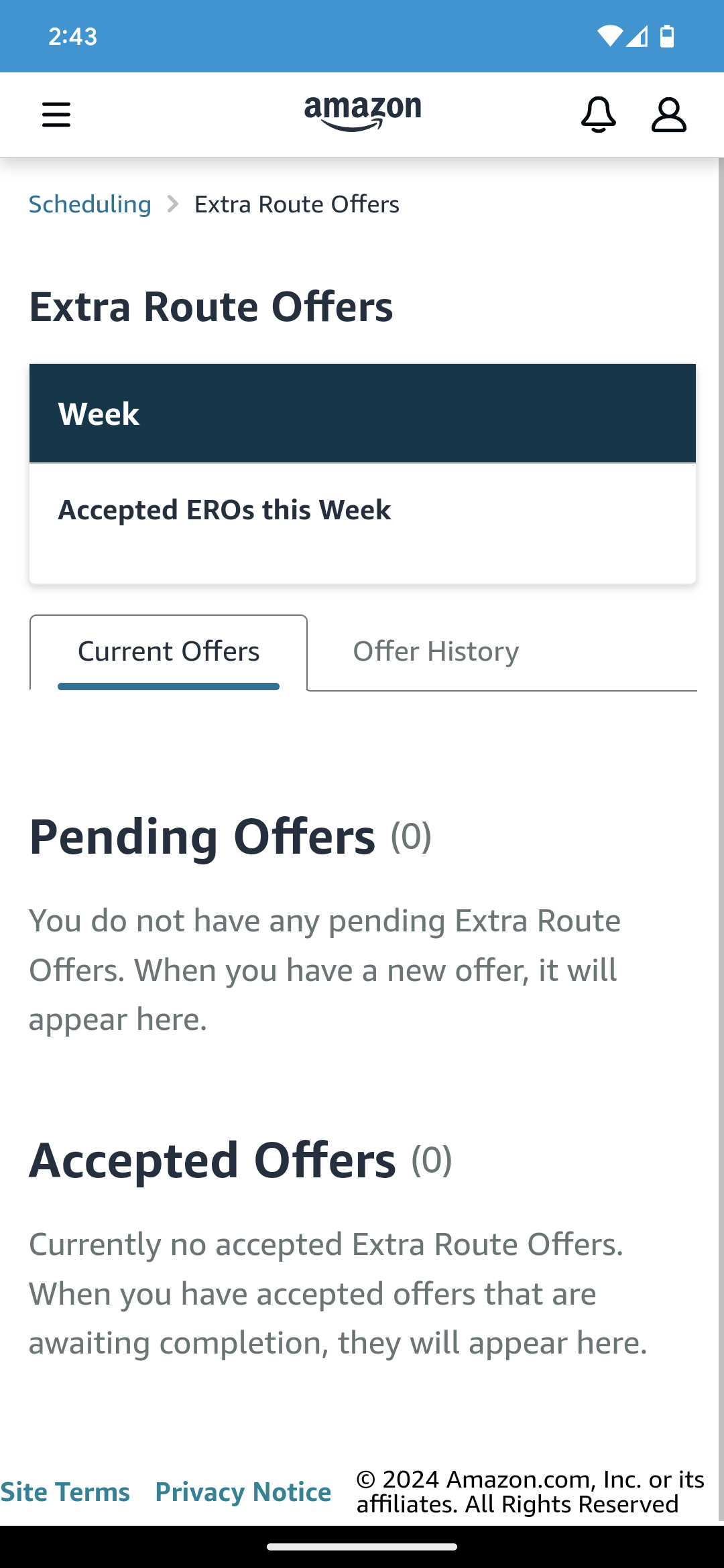
Because the default Logistics Portal did not support mobile workflows, DSPs were forced to:
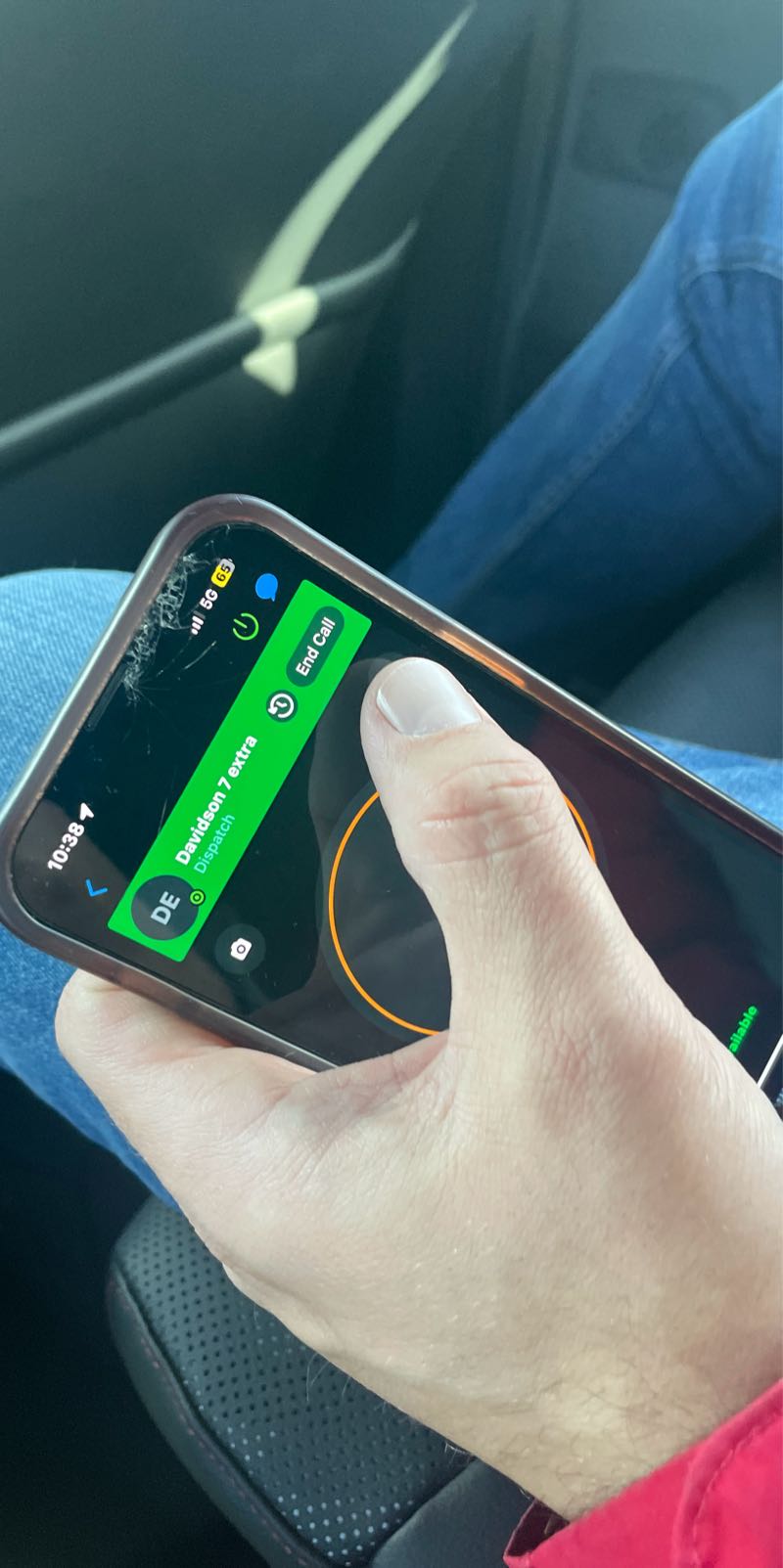
- Maintain a fragile “car office” on the road—relying on multiple computers, personal Wi-Fi hotspots to stay connected. The common refrain: bring “two computers, an international cell plan, and a MiFi to do dispatch on the beach” during rare family vacations to ensure they didn’t miss critical alerts.
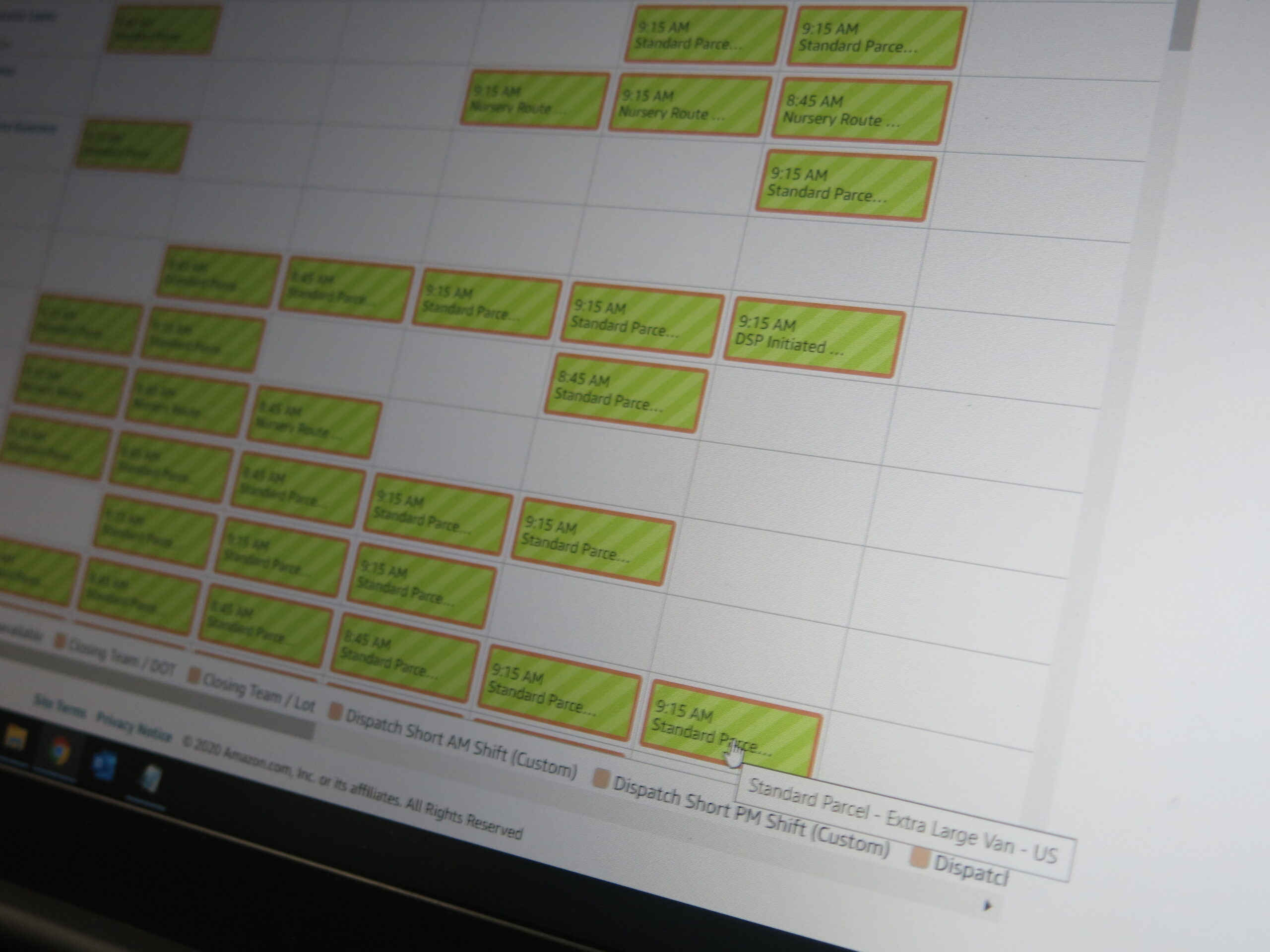
- Spend $150+/month on a patchwork of 30+ disparate third-party applications (e.g., Slack, Sling, Paycom, Hera, Crew) to manage basic shift-swaps, communications, and vehicle checks on their phones.
This severe usability gap drove massive cognitive fatigue, establishing personal stress and health crises as the leading catalysts for voluntary partner exits under the unrelenting demands of the 24/7 owner-operator model. Despite the program’s age, Amazon had no unified design language for mobile, no platform-level funding for mobile tools, and a strong institutional bias that assumed owners should remain desk-bound.
My task
As the Senior UX Researcher, my mandate was to shatter this institutional memory bias, align a lean tech org of five disconnected product pillars, and secure the formal funding required to design and build a dedicated mobile companion app specifically for the DSP business owner
Actions
To build an undeniable business case, I executed a multi-directional advocacy and research strategy:
Step 1: Aligning UX and Product Leadership (Sprints & Offsites)
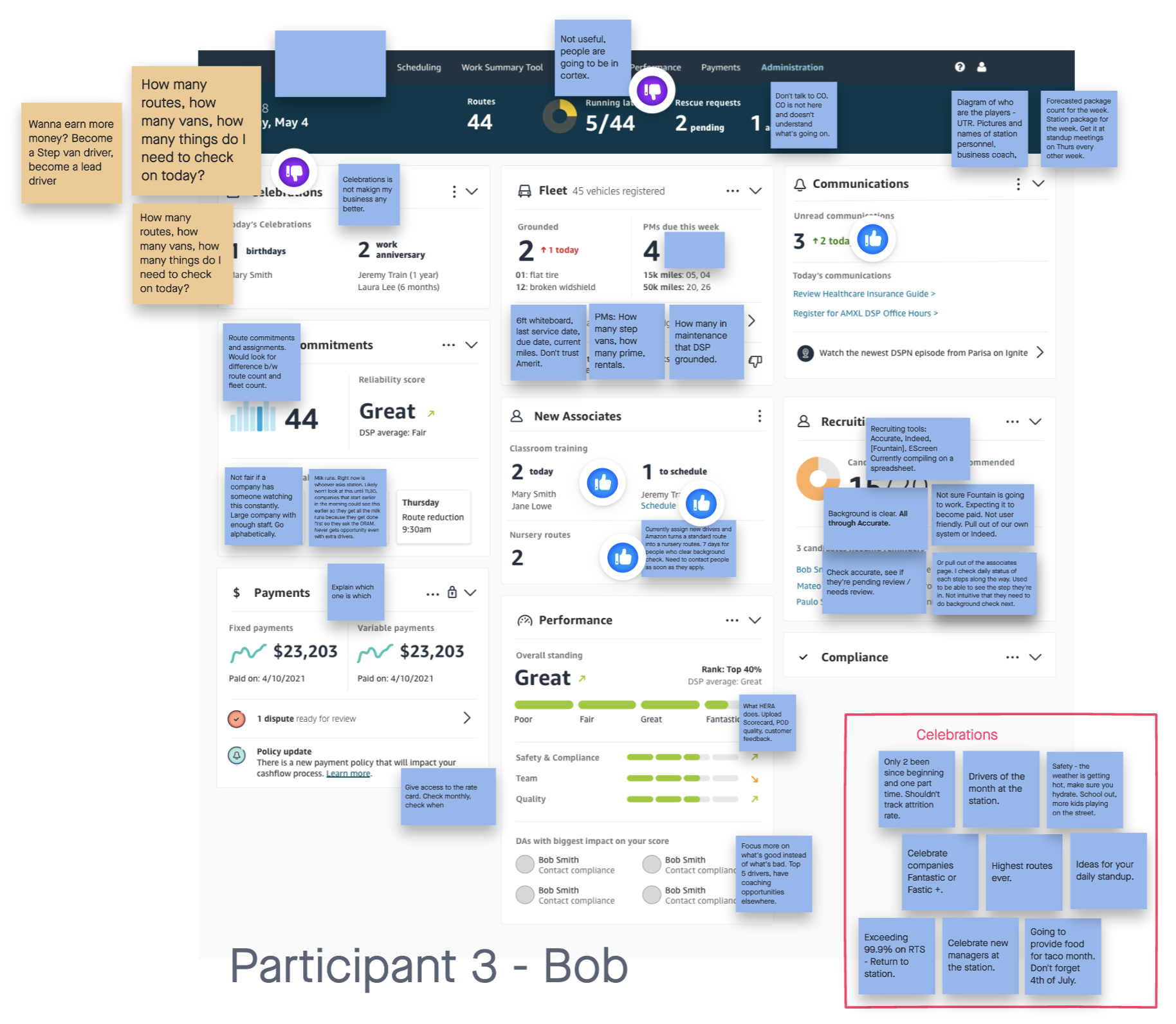
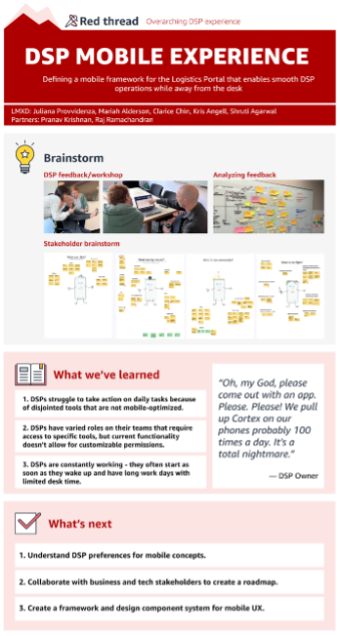
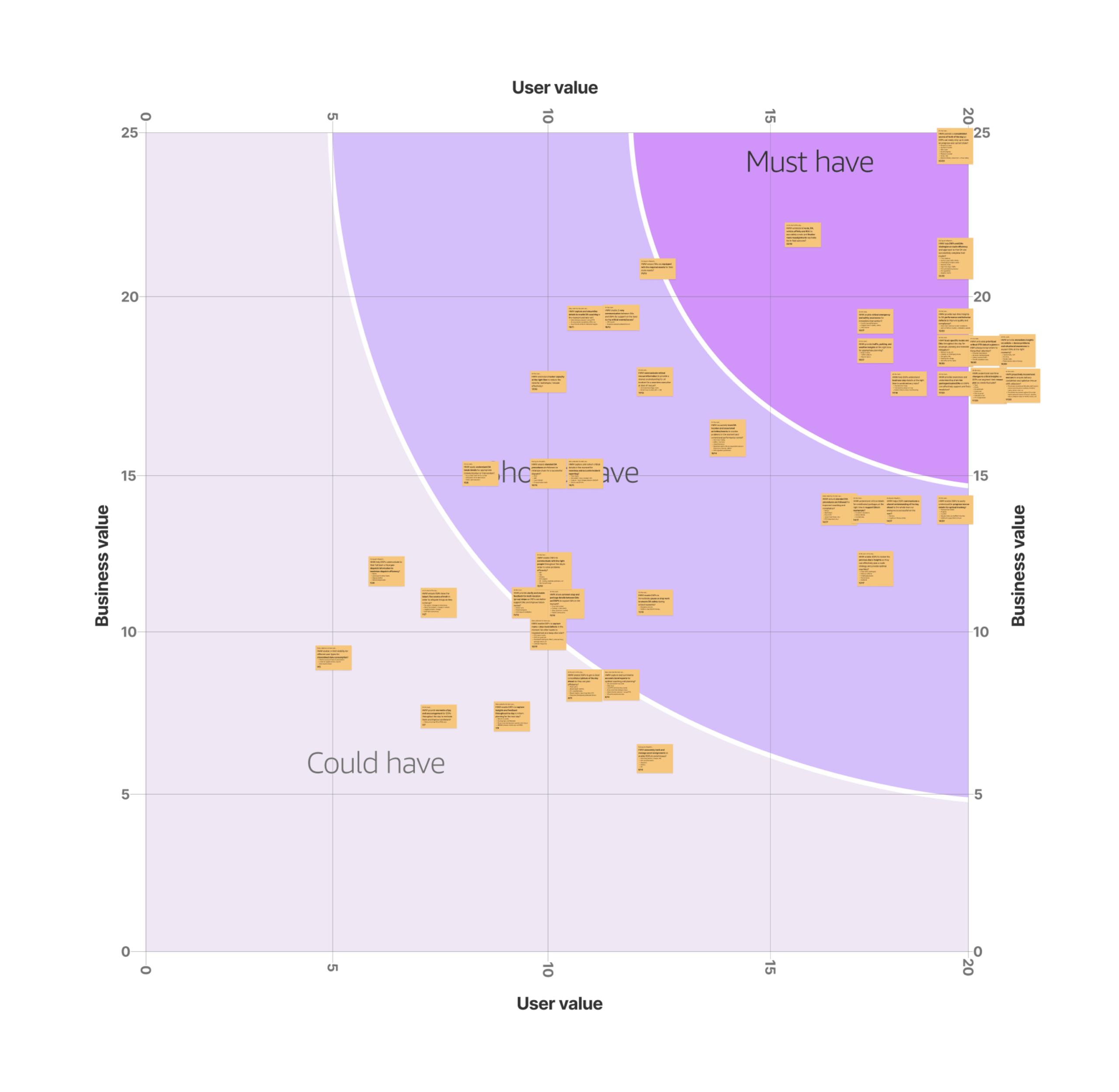
To establish a unified mobile vision, I partnered with UX leadership to facilitate a weeklong design sprint. We mapped the customer’s daily experience, documented tool gaps, created a rough interactive prototype, and presented the outcomes to Product Directors. I then led a DSP Tech Offsite, presenting customer panel discussions directly to engineering, product, and design leads. This offsite successfully prompted individual product pillars (like Payments and Support) to incorporate mobile-first roadmaps into their current operational planning.
Step 2: Metricizing “Cognitive Load” (Data Science Collaboration)
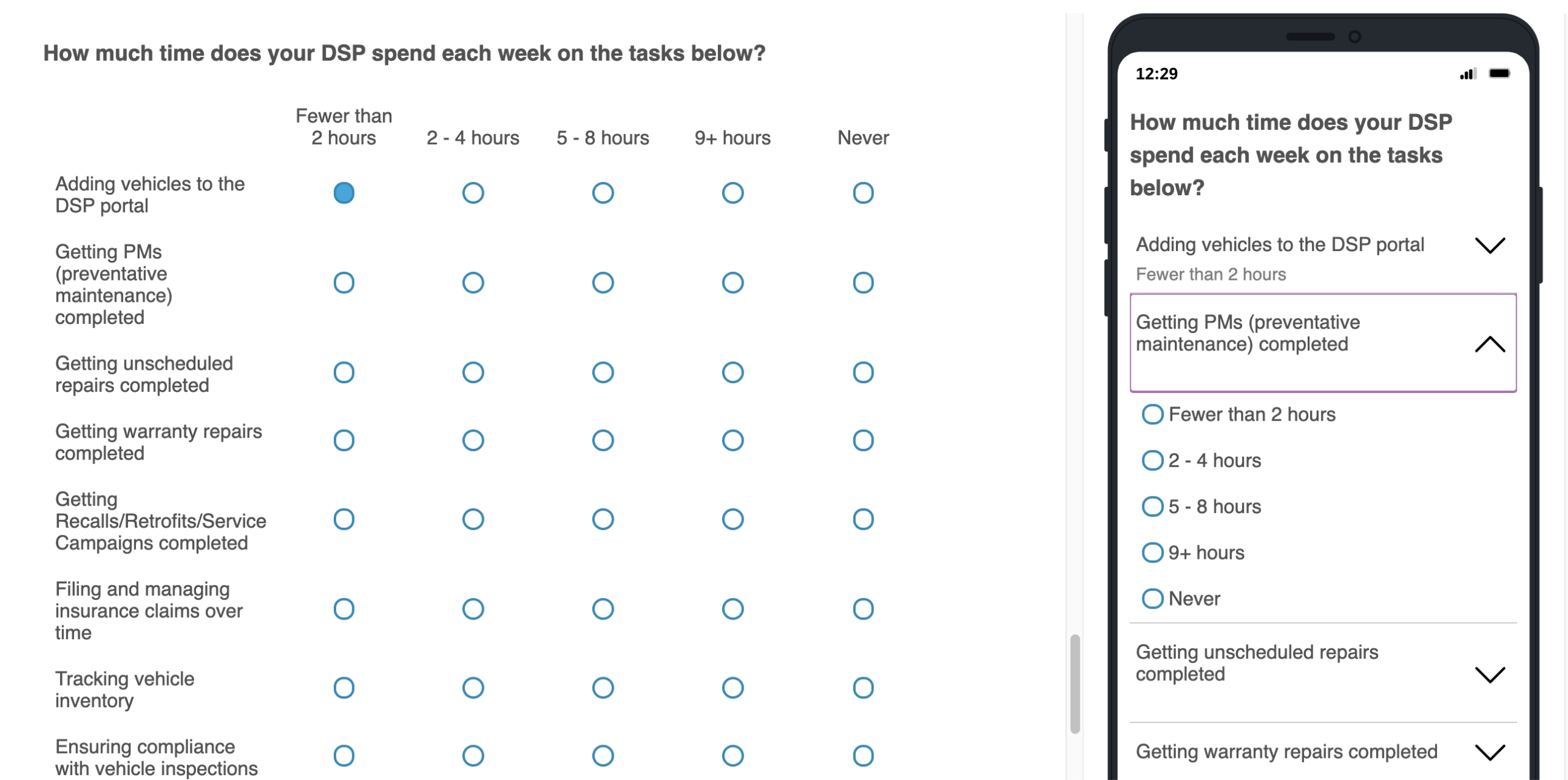
To turn qualitative user pain into hard, actionable data, I collaborated with data scientists to construct a comprehensive Service Blueprint mapping 100+ daily tasks. We evaluated each task across 18 distinct inputs—analyzing mental demand, temporal constraints, environmental noise, and process bottlenecks. This effort successfully defined and validated a Cognitive Load Metric for the organization. I built a robust database of survey responses and impact worksheets, proving to senior executives that forced task-switching and fragmented tools were actively driving operational failures and voluntary partner attrition.
Step 3: Combating Institutional Memory Bias (Strategic Storytelling)
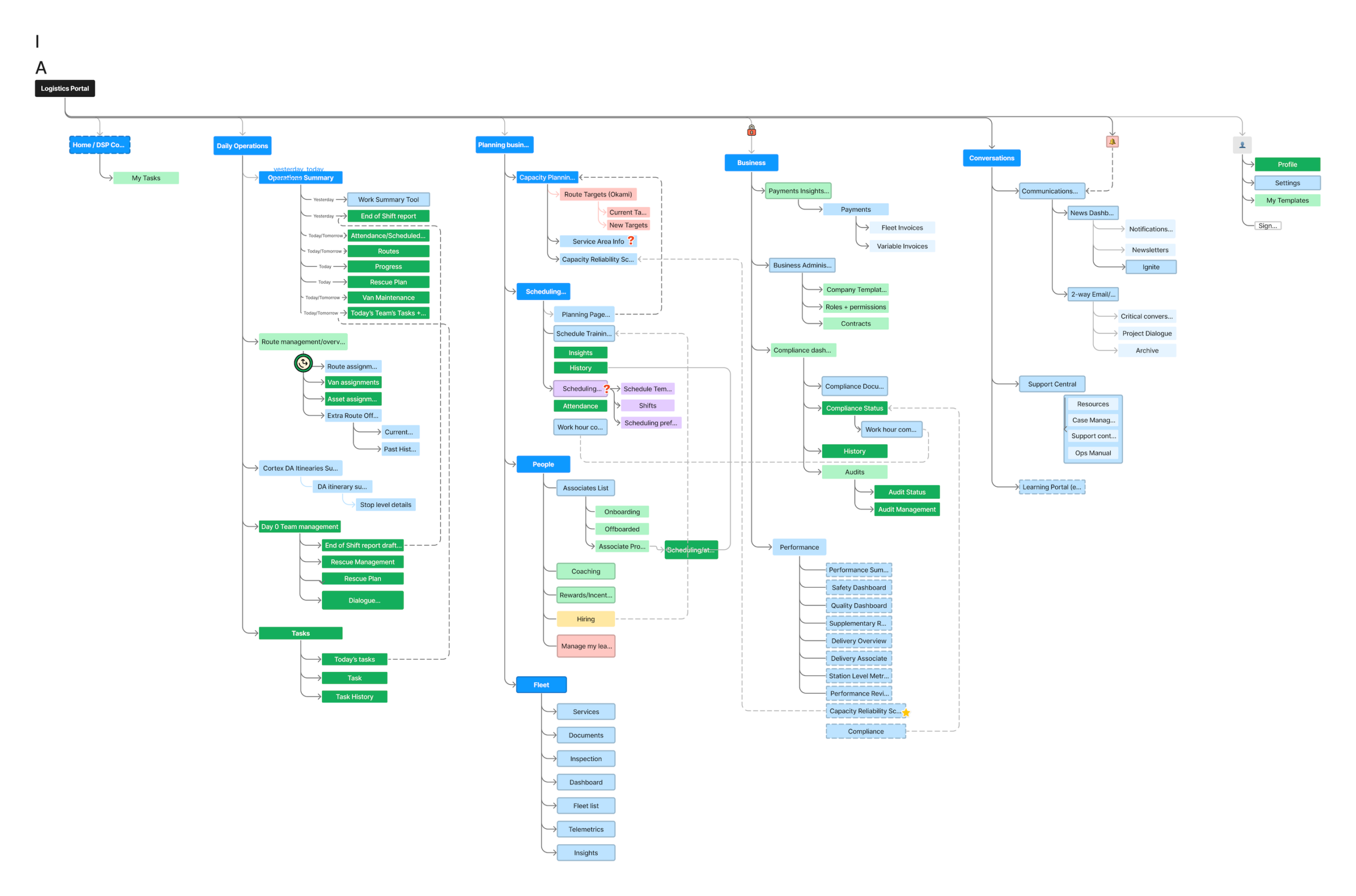
I systematically targeted the outdated corporate assumption that DSPs operated as “single desk-bound operators”. I authored and socialized highly influential annual strategy papers—including the State of the DSP and Big Rocks readouts—alongside detailed maturity personas. These documents proved that modern DSPs run complex operations through a solidified, multi-layer leadership team (GMs, dispatchers, fleet managers) who require role-specific, mobile-friendly triage tools to delegate tasks on the fly.
Step 4: Driving Org-Wide Advocacy (Hackathons & Open Communications)
To maintain momentum, I routinely bypassed standard communication silos, broadcasting synthesized user pain points and video snippets to an internal research distribution list of 300+ partners. I embedded myself in company-wide engineering hackathons—compiling customer need-statements into “hackathon starter kits” and moderating live customer panels. This grassroots technical excitement led directly to three global PRFAQs and a dedicated, engineered mobile app concept.
Outcomes
- C-Suite Funding and Multi-Pillar Alignment: My generative research and advocacy successfully secured dedicated funding to build the mobile app. I coordinated five separate product pillars to align their independent roadmaps under a single, cohesive mobile application.
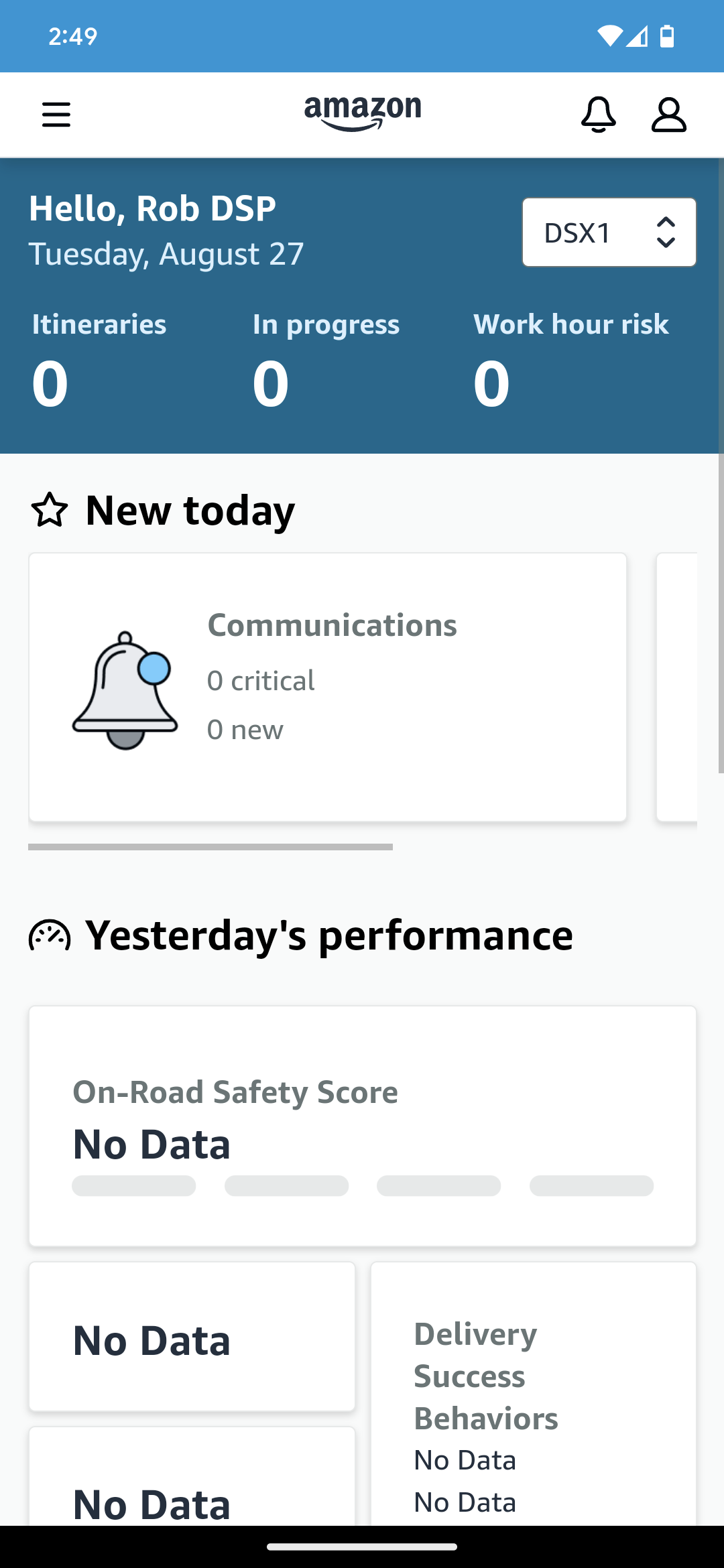
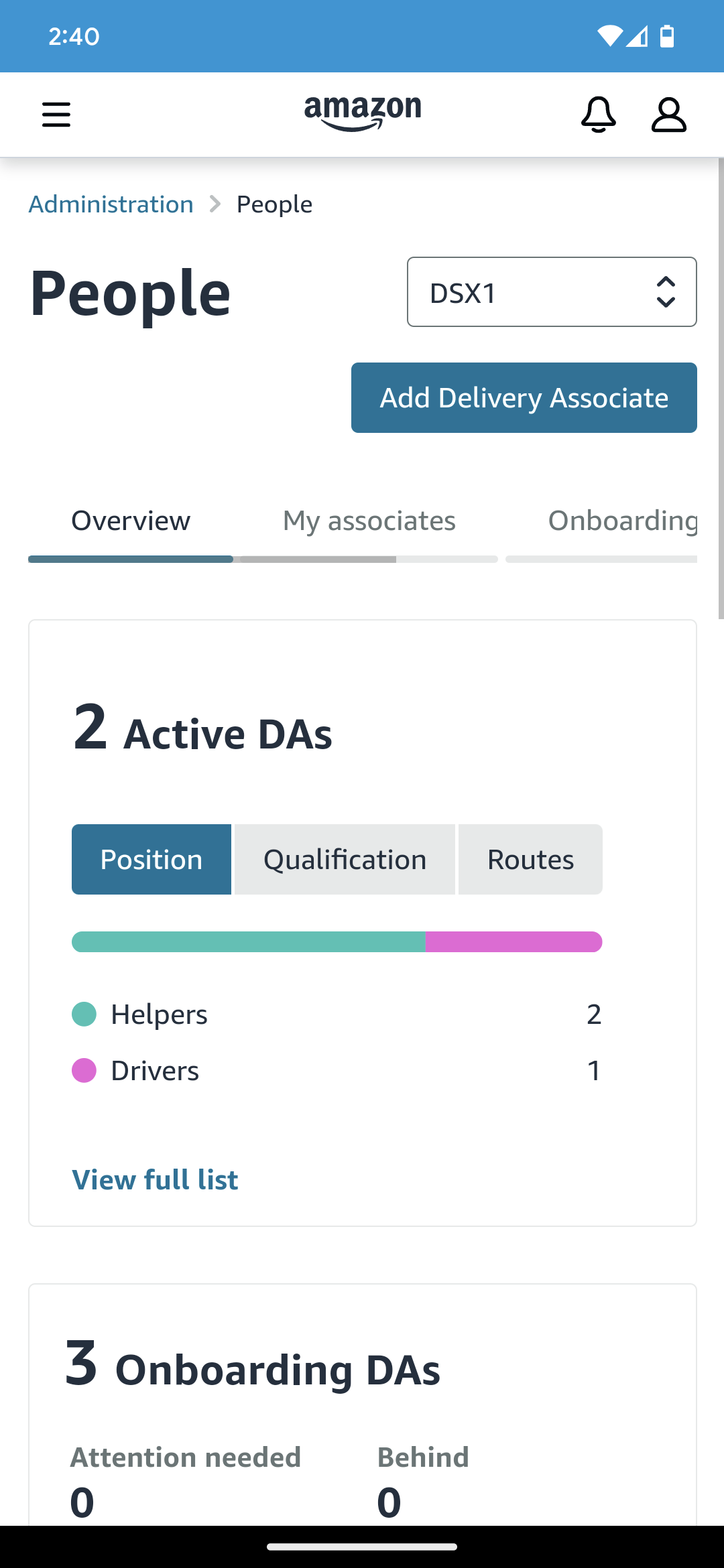
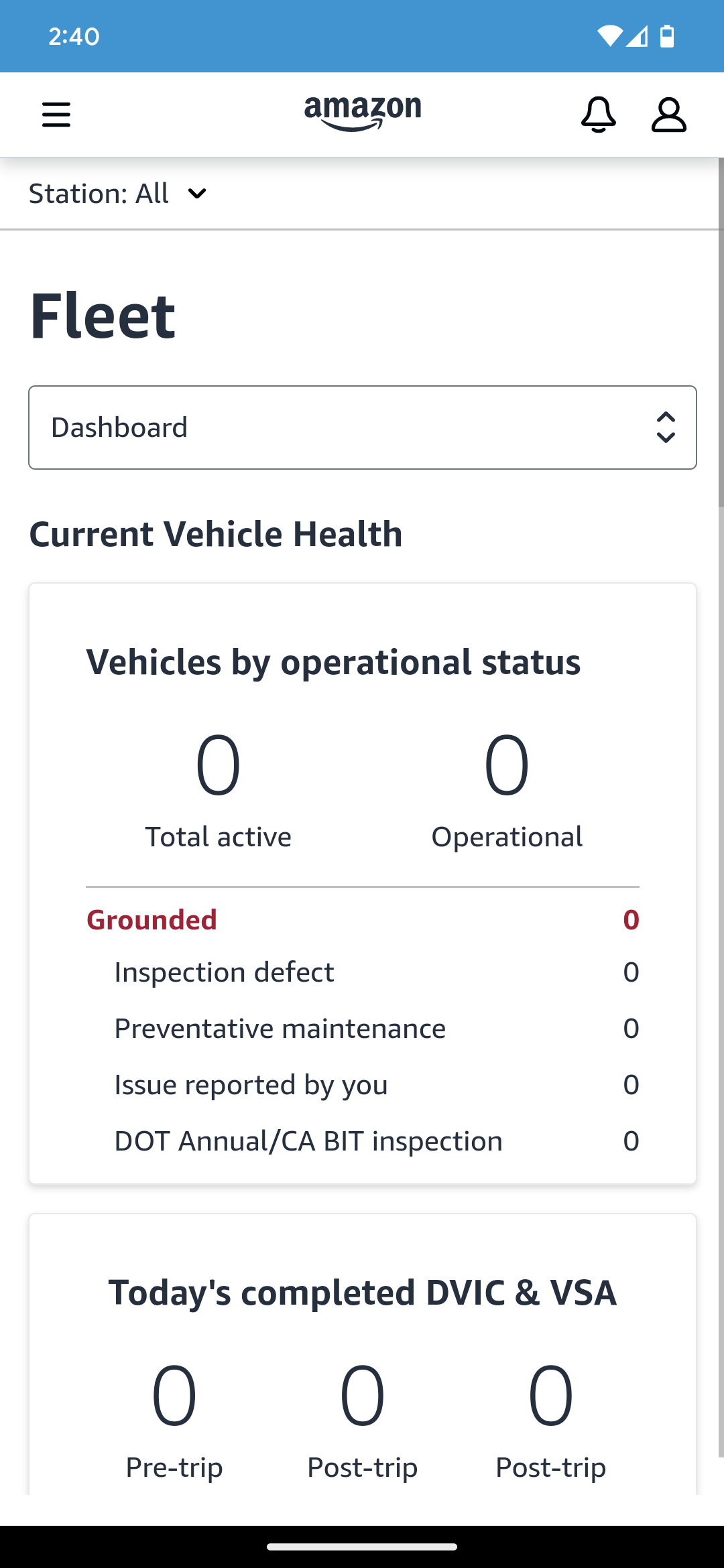
- The Rapid Development and Relaunch of myDSP: An MVP of the myDSP Mobile App was engineered and built in just 8 months, culminating in a massive keynote announcement at the Ignite Live 2025 conference.
- Unprecedented Customer Adoption and Scale:
- The app was successfully installed 8,400 times by 1,150 DSP business owners in its initial US launch.
- 90% of surveyed users reported an immediate reduction in daily operational friction.
- Drastic Cognitive Load and Dwell-Time Reduction:
- By consolidating off-road workflows (including a Daily Schedule experience, attendance tracking, and localized shift handoffs) into a single mobile interface, we saved owners an estimated 40 hours of avoidable administrative effort per week.
- The mobile Payments module alone drove a 71% reduction in session dwell times (from 7.4 minutes down to 2.1 minutes) and a 90% reduction in invoice download times (from 30 seconds to 3 seconds), completely eliminating the need for offline Excel workarounds on-pad.
- Fostering Brand Autonomy and Trust: To overcome user skepticism surrounding data privacy, I championed a customizable, “white-labeled” architecture. This allowed DSPs to add their own business logos, select custom color themes, and configure granular delegate permissions for their dispatchers, successfully building back trust with Amazon’s key logistics partners.