The challenge
Opaque calculations, complex accounting jargon, and high-friction dispute workflows were driving severe partner anxiety, a high re-dispute cycle, and multi-million dollar cash flow delays.
Delivery Service Partners (DSPs) were deeply frustrated by Amazon’s opaque invoice structure—with 50% of DSPs identifying monthly fixed payments as their primary business pain point. Because Amazon’s “math” never seemed to align with the partners’ internal tracking spreadsheets, DSPs routinely filed invalid disputes. When these disputes were rejected without context, it triggered a hostile “re-dispute” loop, tieing up over $50k of vital working capital per business in the system.
before
Early insight
Researching Under Fire: Financial disputes were a highly sensitive topic—sessions ran over as participants broke down from the sheer emotional and financial exhaustion of their business reality.
During initial interviews, participants were visibly overwhelmed by their financial challenges. This caused observers to break protocol and engage with the users. I immediately pivoted, rewriting the research protocols and creating a dedicated, upfront “parking lot” to give participants a safe space to vent and feel heard before diving into the UI. I also provided coaching to internal observers and stakeholders to ensure sessions remained constructive, objective, and deeply respectful of the customer’s lived experience.
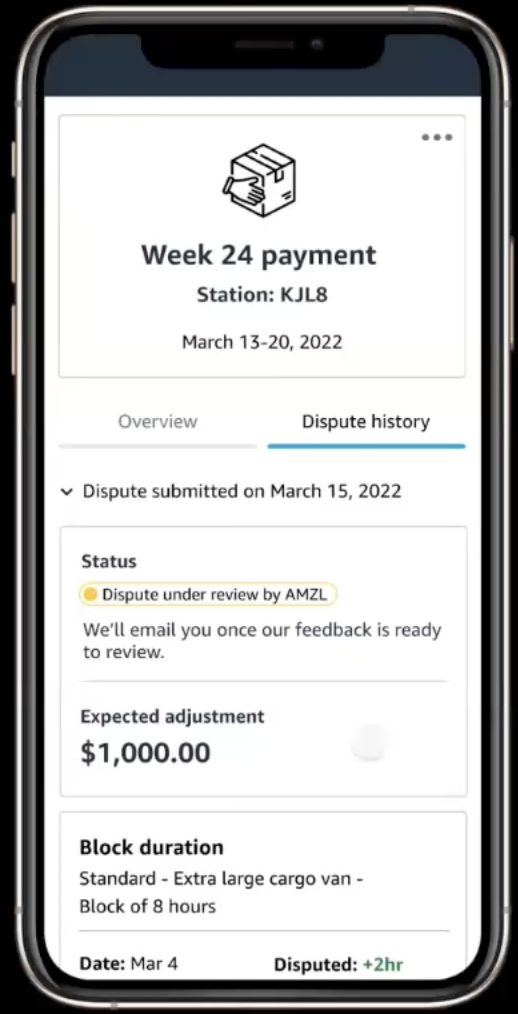
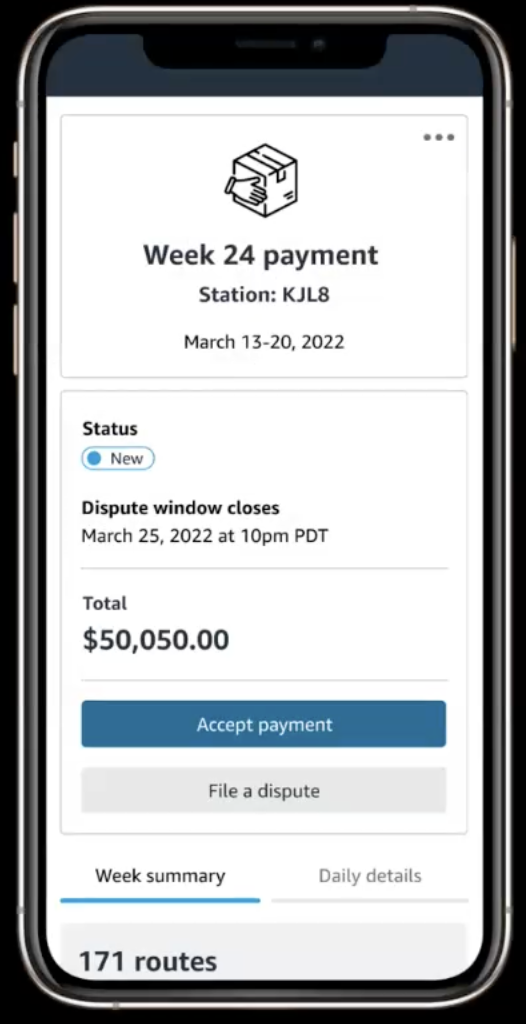
Tested UI
The Breakthroughs
1. Explaining the “Math” in the UI
My research revealed that the root cause of the high dispute rate was not a flat rejection of the figures, but a fundamental lack of visibility into how Amazon calculated payments. DSPs simply didn’t understand the underlying formula.
The Action: I partnered with UX and Product to introduce visual “math models” and inline breakdowns directly into the portal UI. Testing these comps helped us refine the visual hierarchy and identify the exact language that alleviated partner skepticism and proved the calculation was correct.
2. Humanizing the B2B Vocabulary
DSPs are hands-on, operational managers—not trained CPAs. Jargon-heavy, rigid accounting terms caused extreme confusion, leading to “indiscriminate clicking” as users frantically searched for their documents.
The Action: I worked closely with our Content Strategist and UX Designer to completely prototype and test humanized vocabulary changes. We replaced verbose, confusing terminology with clear, explicit terms (like “Fleet Invoices” instead of “Variable Invoices”) that mapped cleanly to the user’s mental model. This eliminated hunting behaviors entirely during testing.
Outcomes
- Reduced invalid disputes by 76% and inconclusive disputes by 69% in A/B pilot testing.
- Reduced disputes due to user confusion by 52% and pre-payment disputes by 28%.
- Slashed overall Fixed Invoice dispute rates by 700 bps (dropping from 18% to 11%), with 90 bps directly attributable to our UX and terminology changes.
- Reduced DSP monthly invoice review times by 75% (from approximately 4 hours down to less than 1 hour).
- Minimized customer anxiety: The percentage of DSPs citing fixed payments as their primary payments pain point dropped from 50% in Q1 to just 3% in Q2.